
Have you recently received a foreign inheritance and are now wondering about the tax implications? If so, you may need to file IRS Form 3520 to report this inheritance. Understanding the process can help you navigate this requirement smoothly.
IRS Form 3520 is used to report certain transactions with foreign trusts, including inheritances. If you receive a significant gift or inheritance from a foreign individual or estate, you may be required to file this form with the IRS. Failure to do so can result in penalties, so it’s essential to comply with the regulations.
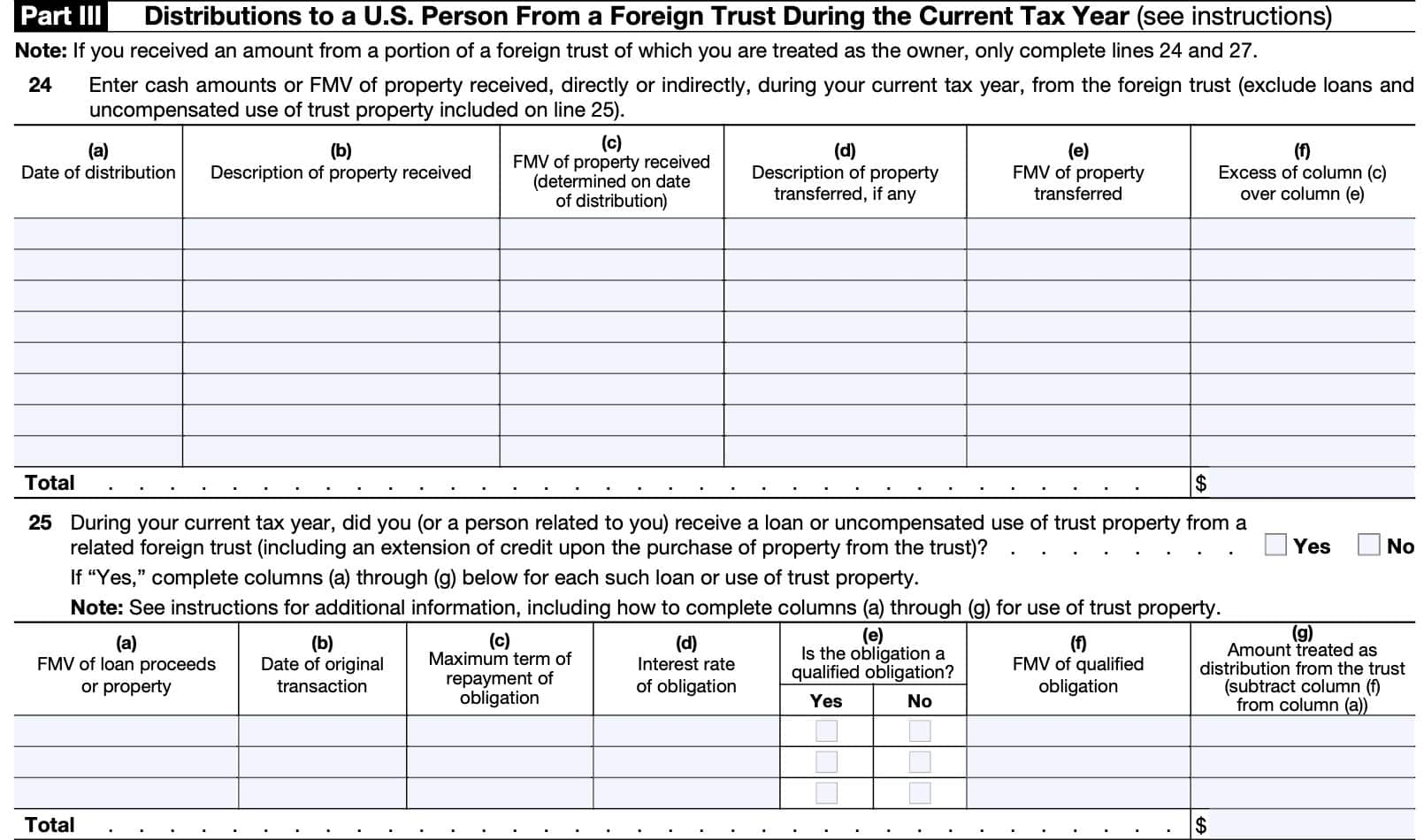
Irs Form 3520 Foreign Inheritance
Irs Form 3520 Foreign Inheritance
When completing Form 3520, you will need to provide details about the foreign inheritance, including the type of asset received and its value. You may also need to disclose information about the donor or decedent, as well as any related transactions. It’s crucial to ensure accuracy and completeness to avoid any issues with the IRS.
It’s important to note that filing Form 3520 does not necessarily mean you will owe taxes on the inheritance. The form is primarily used for informational purposes to help the IRS track foreign assets and transactions. However, it’s still essential to consult with a tax professional to understand your specific tax obligations.
In conclusion, if you have received a foreign inheritance, filing IRS Form 3520 is a crucial step to ensure compliance with tax regulations. By providing accurate and complete information, you can avoid potential penalties and navigate the process smoothly. Remember to seek guidance from a tax professional to address any questions or concerns you may have.
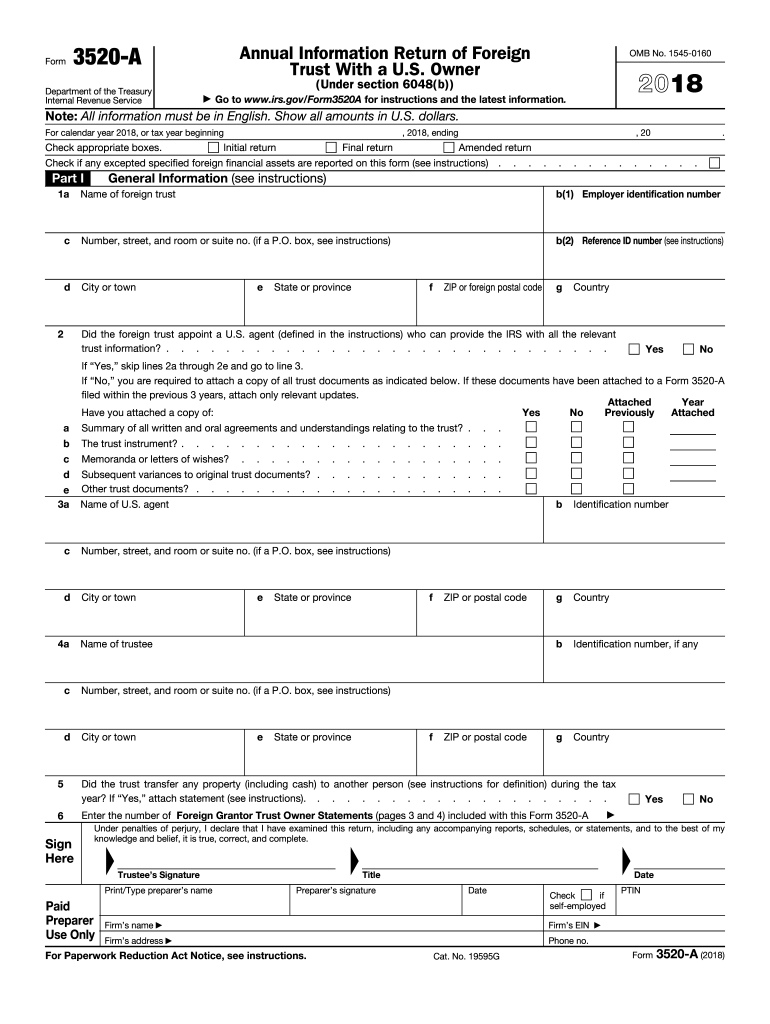
3520 Form Fill Out amp Sign Online DocHub
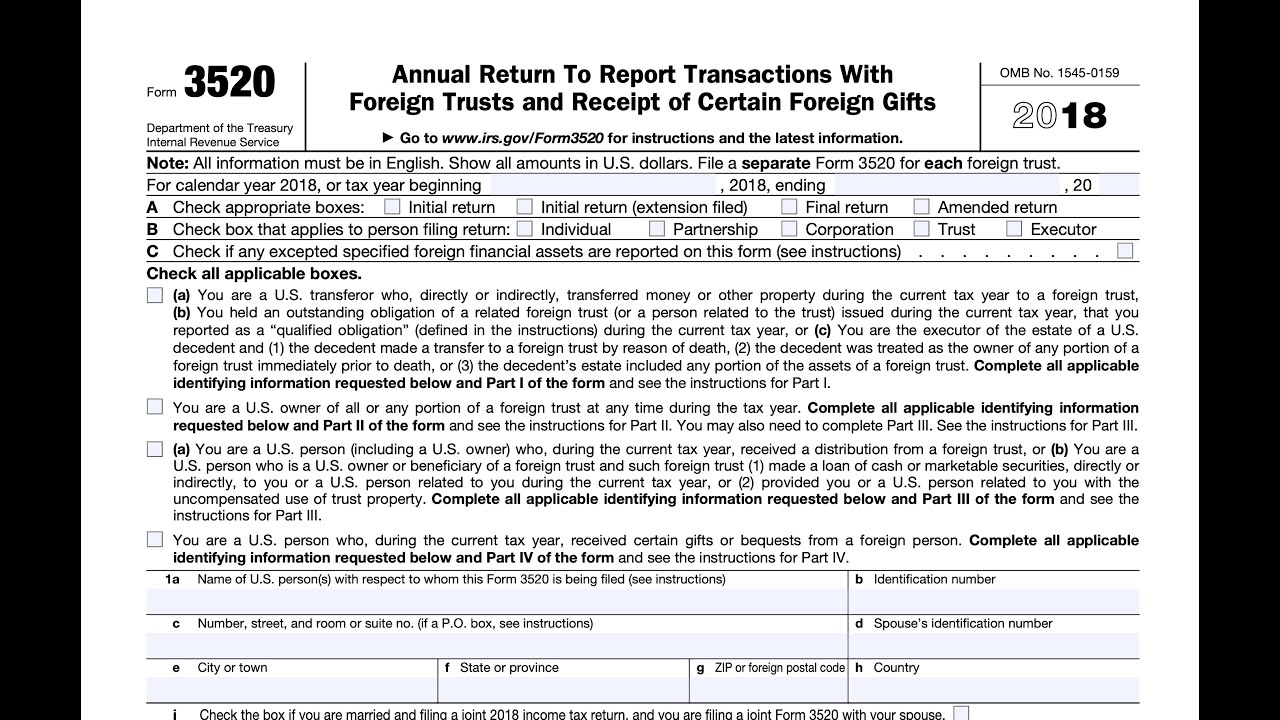
Understanding Form 3520 For Foreign Trusts And Gifts amp Penalties
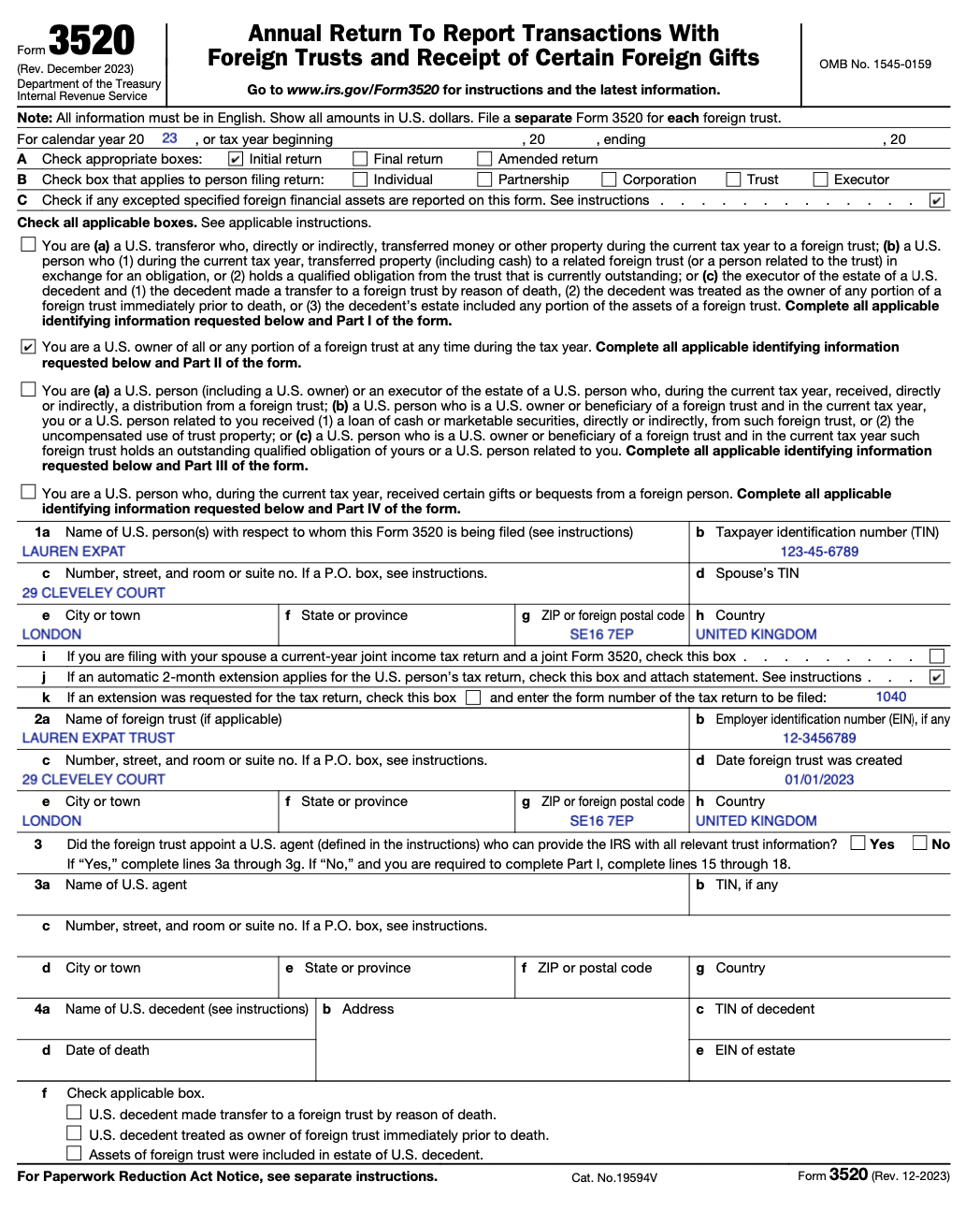
Form 3520 For Americans Living Abroad The Basics