
Are you familiar with the W9 form in medical billing? It’s a crucial document used to collect information from healthcare providers for tax purposes. Understanding how it works can help streamline billing processes and ensure compliance.
When healthcare providers work with insurance companies or government programs, they often need to submit a W9 form. This form includes essential details such as the provider’s name, address, taxpayer identification number, and certification of tax status.
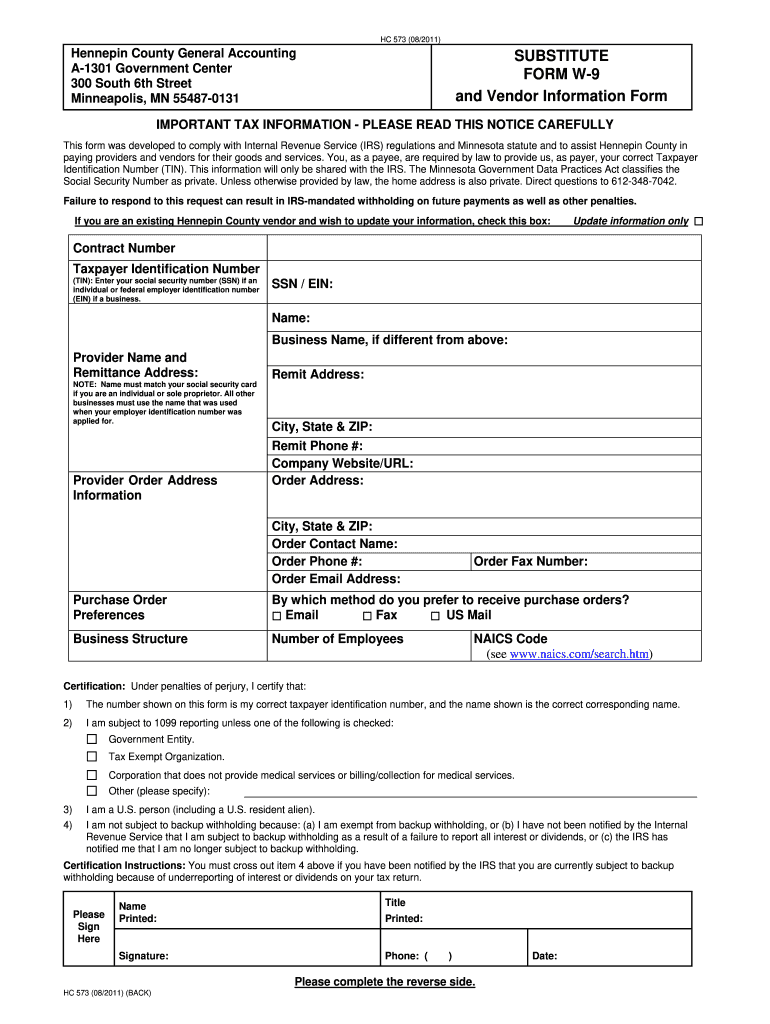
W9 Form In Medical Billing
W9 Form In Medical Billing
By submitting a W9 form, healthcare providers certify that the information provided is accurate, and they are responsible for any taxes associated with their services. This helps insurance companies and government programs verify the provider’s identity and tax status, reducing the risk of fraud and ensuring proper tax reporting.
Having a clear understanding of the W9 form requirements can help healthcare providers navigate the billing process more efficiently. It also ensures that they are compliant with tax regulations, avoiding any potential penalties or legal issues down the line.
Overall, the W9 form plays a vital role in medical billing by providing essential information to insurance companies and government programs. By completing this form accurately and promptly, healthcare providers can streamline their billing processes and maintain compliance with tax regulations.
Next time you come across a W9 form in medical billing, remember its importance in verifying provider information and ensuring tax compliance. By understanding its significance, healthcare providers can navigate the billing process with confidence and efficiency.
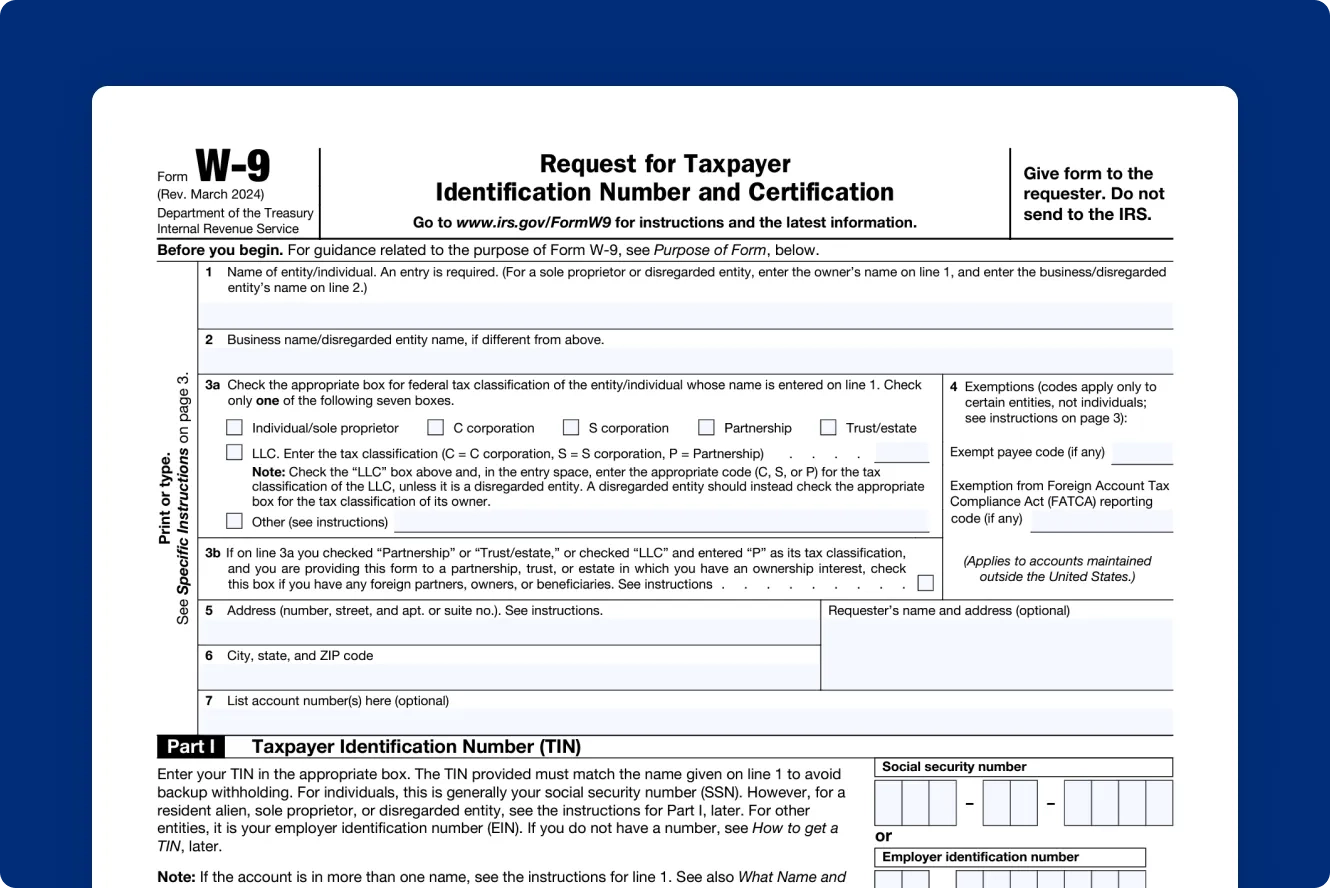
U S Tax 101 What Is A W9 Form

A Guide To The W 9 Form In Medical Billing Reimbursify
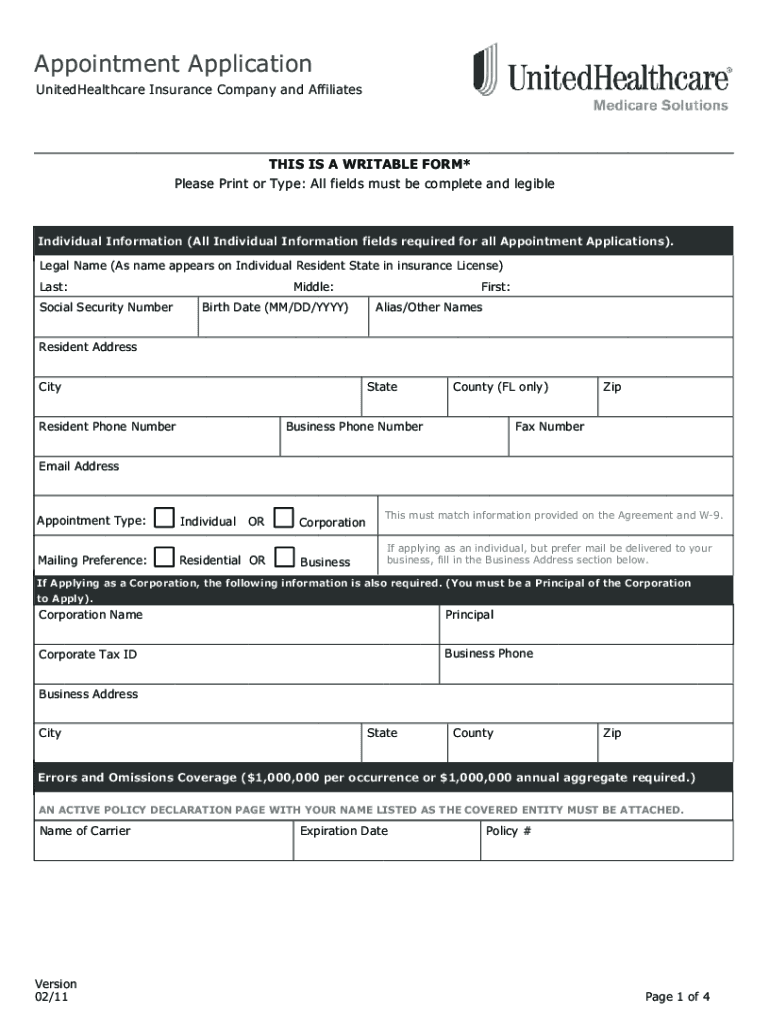
United Healthcare W9 Fill Out amp Sign Online DocHub